
Carlos “Cacho” Córdoba, founder and coordinator of Pro Tours Soccer, has spent more than 15 years organizing annual trips to Argentina with one clear goal: giving young players a true football and life experience, not simply focusing on results.
The project began in the mid-1990s and is closely tied to Córdoba’s own history with Argentine football. After many years away, he returned to La Candela, Boca Juniors’ former training center, a place where he grew up as a player. That return marked the starting point of what would later become Pro Tours Soccer.
“I came back to La Candela after many years, and everything worked out great,” Córdoba recalled. “That’s where it all started. At first it didn’t even have a name.”
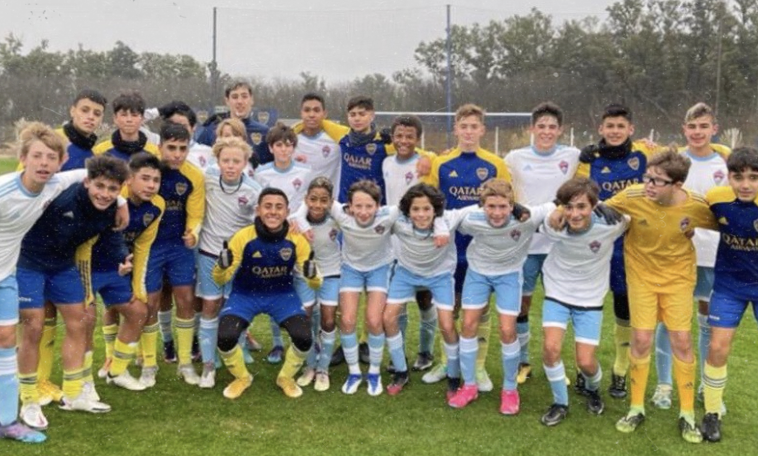
Over time, the project became more structured with the help of close collaborators and family, eventually adopting the name Pro Tours Soccer. From the beginning, the philosophy was clear.
“I always tell the kids the same thing,” Córdoba explained. “They don’t come to Argentina to win, draw, or lose. They come to gain experience and to see how kids are raised in football there, which is very different from here.”
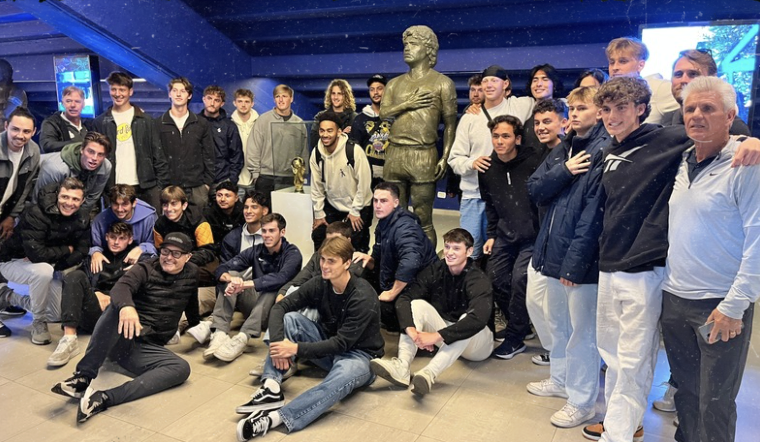
Córdoba, who began his playing career at Boca Juniors at just 14 years old and shared the field with Diego Maradona, later built a long coaching career in the United States. He currently serves as Sporting Director of Colorado Rush and holds a USSF “B” License, experience that strongly shapes the tours.
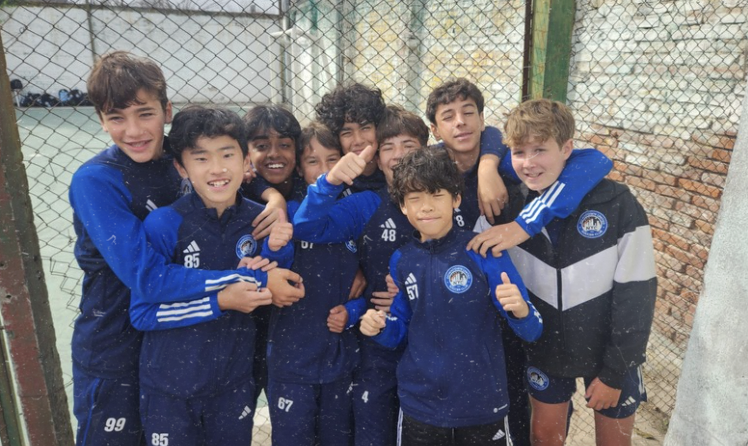
Unlike traditional international trips centered on tournaments, Pro Tours Soccer focuses on immersion. Groups travel to Argentina for around 10 days, train with local professional coaches, and play between five and seven matches. The program also includes futsal, which Córdoba considers essential.

“For me, everything starts with futsal,” he said. “That’s where football is born. If a kid learns futsal, he can play anywhere later.”
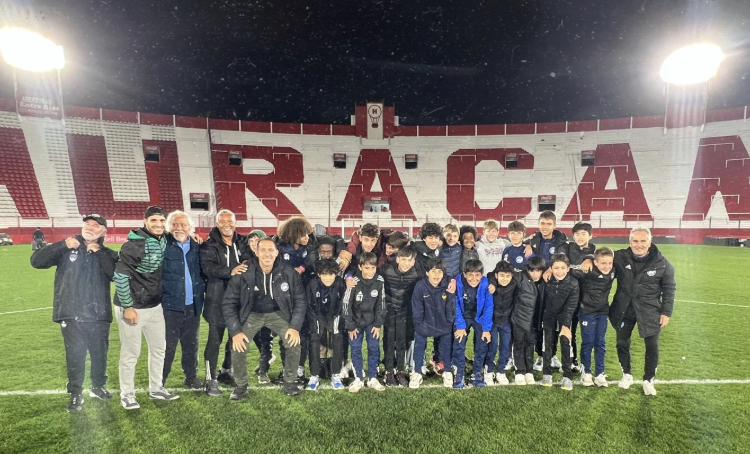
The experience goes beyond training and matches. Players visit Buenos Aires, attend professional games, tour stadiums, explore neighborhoods, and experience daily life in Argentina. Córdoba also takes groups to his hometown of Merlo to play futsal and connect with the roots of the game.
“It’s a life experience,” he explained. “The kids love the food, the city, the people. We take them downtown, to the stadiums, to Tigre. In those 10 days, we do as much as possible.”
Another key aspect of Pro Tours Soccer is flexibility. Since the trips are not tied to tournaments, the schedule can be adjusted based on the players’ needs.
“If the coach tells me the kids are tired, we stop,” Córdoba said. “If we want to add a match, we add it. We’re not tied to a strict schedule.”
The tours usually take place once a year, between late June and late July, during the U.S. summer break. In some years, multiple groups travel during that period. While many teams come from Colorado, players frequently join from Florida, New York, California, Texas, Illinois, and other states. Both boys’ and girls’ teams are included, and individual players can also join if they fit the age group.
“Every year we have kids joining from different places,” Córdoba noted. “If the ages work, there’s no problem. In Argentina, age is not as strict as it is here.”
On occasion, players have caught the attention of Argentine clubs during the trips. Córdoba is clear about his role in those situations.
“I don’t arrange anything,” he said. “They come to play. If someone likes them, they talk directly. After that, it’s their responsibility.”
Pro Tours Soccer typically works with players born between 2012 and 2015, though older players can also be supported with additional training opportunities while the group is in Argentina.
Looking ahead to 2026, Córdoba explained that families interested in joining the tours can find more information through Pro Tours Soccer’s official platforms.
“Everything people need is there,” he said. “They can learn more about what we do at protourssoccer.net or on Instagram at @protourssoccer. Anyone who’s interested can reach out.”
More than a business, Pro Tours Soccer reflects Córdoba’s lifelong connection to football.
“I never did this thinking about making money,” he concluded. “I do it because I love the game and because I believe these experiences help kids grow, both on and off the field.”