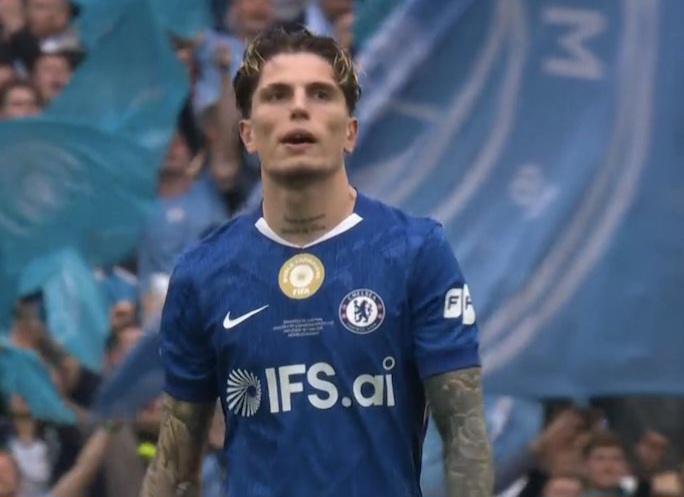
Aston Villa are interested in signing Alejandro Garnacho of Chelsea.
Alejandro Garnacho could be leaving Chelsea but staying in the Premier League. According to Fabrizio Romano, Aston Villa have sent a bid to Chelsea to sign Garnacho.
It would be a loan with a buy clause included being discussed. Aston Villa coach Unai Emery has approved Garnacho as a top target and negotiations are underway with Chelsea to sign him.
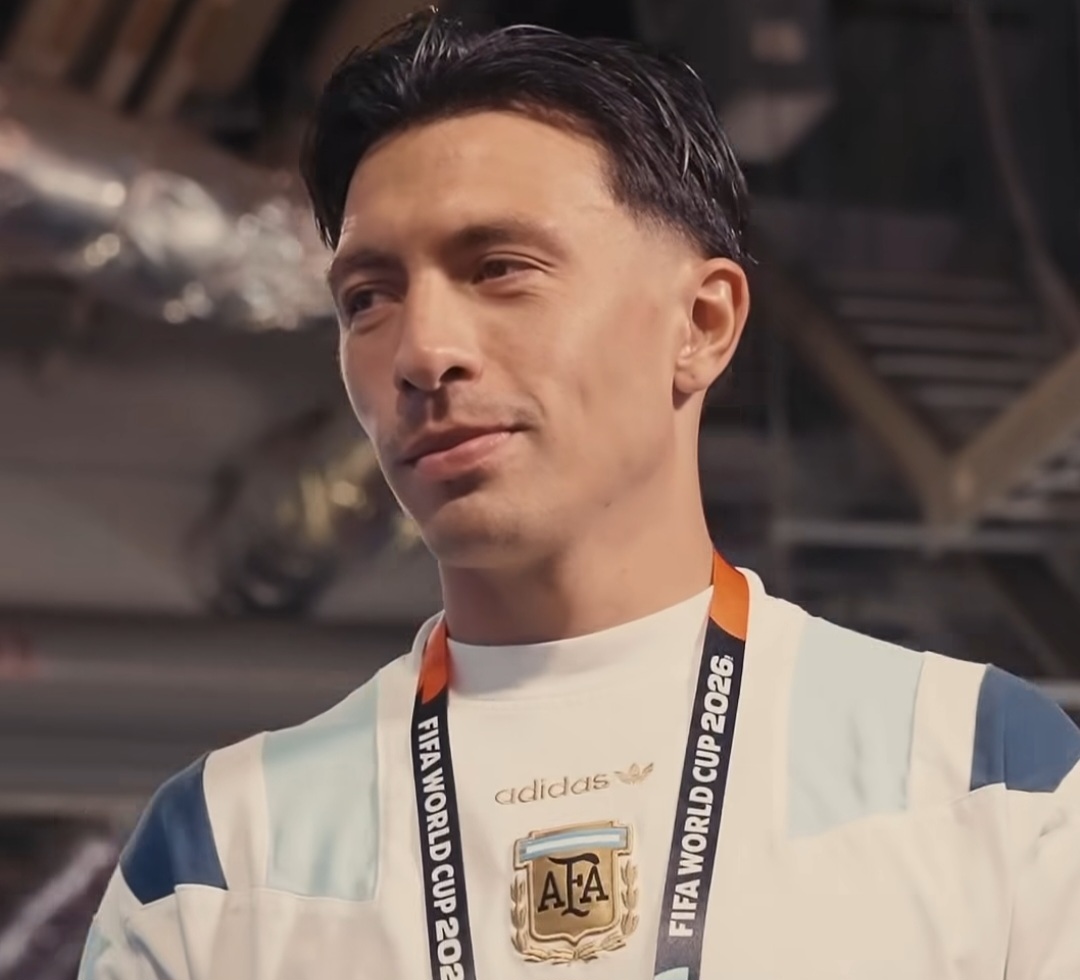
Lisandro Martínez posted after Argentina’s World Cup final loss, thanking the team, the fans and a message.
Martínez started for the Argentina national team in the World Cup final but was substituted out due to injury. Lisandro posted on his Instagram after the match. Here is what he posted:
“With a heavy heart for not having been able to bring home the cup that we all deserved but with pride bursting at the seams for this jersey, for my team mates, the coaching staff, the executives, the medical team, the cooks, the kit men and every single person who was involved to make all of this work in the best way possible. And above all, for you, who showered us with all your love, all your strength, that passion that so defines us and the unity of a nation that I hope endures over time.
“I want to congratulate Spain on their well deserved title.
“And to our people, I want to say that the result doesn’t define the journey we took. We faced adversities, we made the impossible possible and we never looked for excuses, only reasons to keep going. We defended our colors far beyond the pitch and shared unforgettable moments with the national team, alongside our families and with the unwavering support of all Argentinians. It will always be an immense pride to represent you.
“Remember that “the fall of the great is the joy of the mediocre”.
“Thank you all so much. Let’s take care of our country.
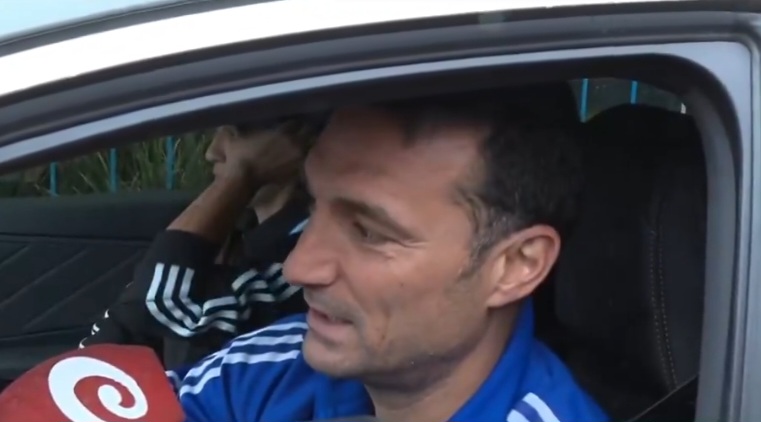
Argentina national team coach Lionel Scaloni spoke about his possibly leaving as coach, about rumors in social media and Argentina’s celebration against England.
Lionel Scaloni arrived to the AFA training ground and spoke to the media. When asked about his comments that he might leave as coach of the national team, here is what he had to say:
“After a tournament like this, it’s nornal to rethink things. We are here until December. The most important thing is that people understood we gave everything and that the Argentina national team is what matters.”
Scaloni was also asked about the rumors on social media that there are problens within the team:
“I don’t read social media and have no idea what’s being said about those rumors. I can’t believe they’re asking me if there were or are internal conflicts.”
He also commented on the reception the Argentina national team received from the fans:
“The reception from the people was impressive, really nice. It’s good that they celebrate, even though it’s hard to swallow that we didn’t win. It’s also good for us to know that in defeat, we are honorable and positive things can be taken from it.”
About Argentina national team players celebrating with the Malvinas flag after the win against England at the World Cup:
“Problems over the Malvinas flag? I don’t know, I have no knowledge. I don’t know if in the future, they didn’t tell us anything.”
Leandro Paredes has spoken after Argentina’s loss in the World Cup final.
Paredes did not start for the Argentina national team in their World Cup final loss. Paredes was substituted into the match by Argentina national team coach Lionel Scaloni. The Argentine posted the following on his Instagram:
“Thank you Argentina!
“I love you today and always.
“Today, I have to write with a heavy heart because we weren’t able to give you the joy our country deserves so much but with my chest filled with pride for giving everything we had and once again; leaving oue flag at the very top.
“Thank you to everyone who forms this national team, to this group of players that gave their lives to represent this shirt like they have until the last secind of every match.
“It was an honor to be part of the greatest Argentina national team in history.”
Lionel Messi has landed in Rosario, Argentina after the World Cup final.
Messi spent one day in Miami after the World Cup final with the Argentina national team and landed in Rosario at around 6:00 am on Tuesday. The 39 year old flew in on a private airplane.